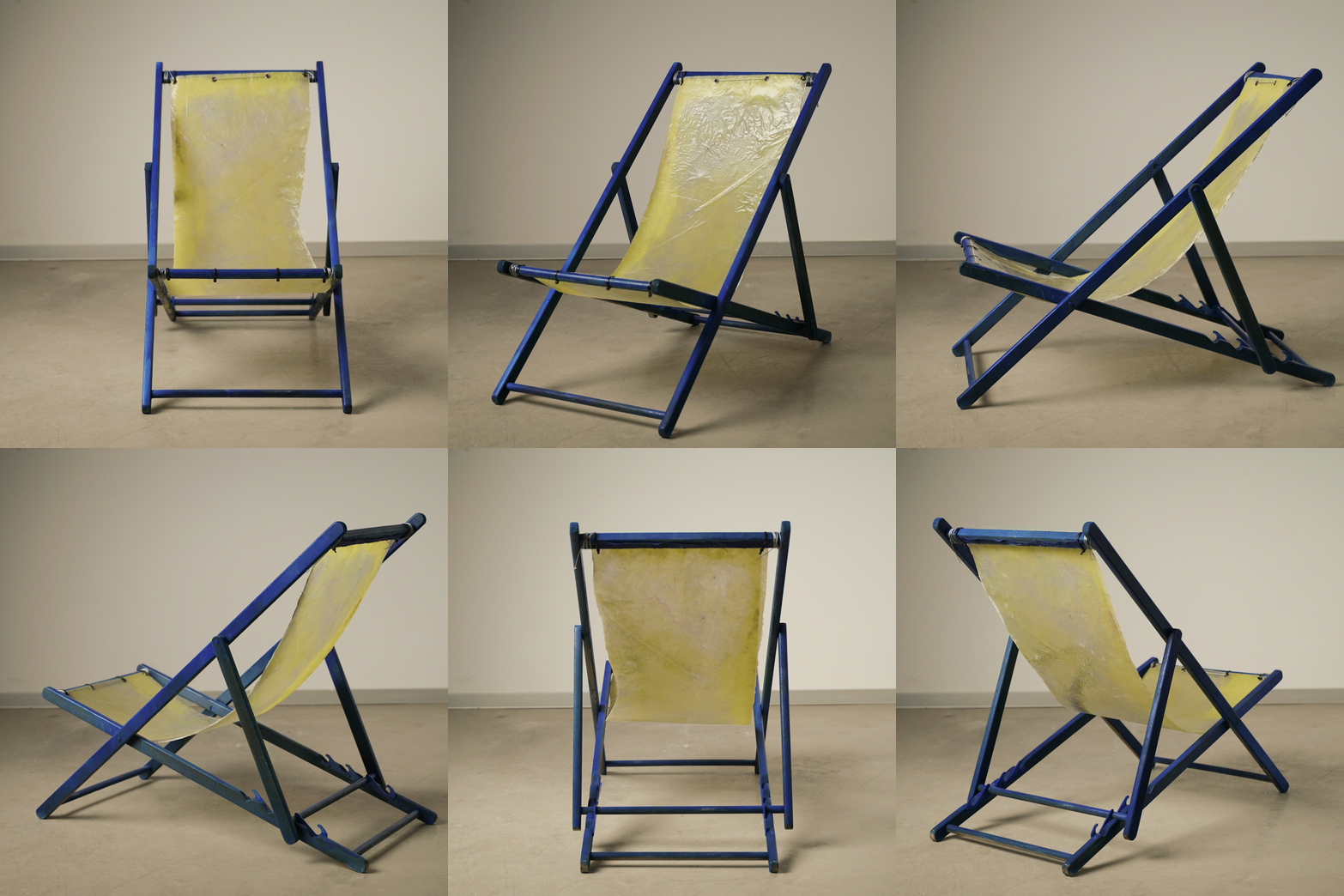
exerchair
2025
The process developed in relation to the materials used. Reused elements were not treated as neutral components; they influenced the direction of the design. Each object introduced certain constraints as well as possibilities, and both were considered within the process. The final forms emerged through the interaction between material conditions and the designer’s intent, combining controlled decisions with elements of improvisation.


Chair 1
Built from leftover wood fragments gathered in the workshop and a reclaimed plexiglass sheet sourced from a nearby hardware market, the chair finds its form through improvisation.
Its legs are made from a cement-filled PPC tube, wrapped in a coiled compressor pipe for both structure and texture. Short shovel handles were placed between the legs and secured with clamps, creating a bracing system that adds both stability and a subtle nod to tool-based construction.

Chair 2
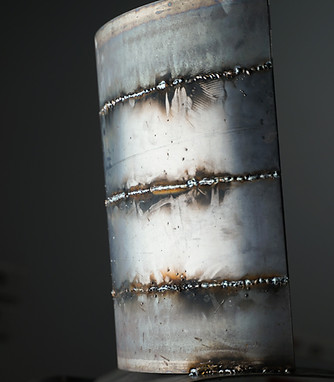
It was assembled using scrap iron pieces sourced from a metal workshop. Existing parts were reconfigured and supplemented with minimal additions, resulting in a structure that emphasized material honesty and weight.




It was restored from a previously broken and torn piece using fiberglass, epoxy resin, and wood. Instead of being replaced, the original structure was preserved and reinforced, allowing its identity to be retained while its function was renewed.